Yoto review: Is It Worth Buying for Everyday Family Life?
Yoto is best understood as a listening system rather than a single device. The player matters, of course, but the full experience depends on how well the cards, accessories, app, and daily routines fit into real family life. That is why some households end up loving it, while others decide it is more of a nice idea than a necessity.
This version takes a different approach from the earlier review. Instead of focusing on starter bundles and obvious gift picks, this one looks at Yoto through the lens of long-term ownership: how it works at home, how it scales as kids grow, and which official products make the strongest case for the platform over time.
Highlights:
- Yoto works best as a long-term listening platform, not a one-off toy
- The player is useful, but the card library is what really determines value
- Screen-free listening feels much more practical here than on many competing products
- Strong fit for routines like quiet time, bedtime, and independent play
- The app-and-card combination gives parents structure without making kids rely on a touchscreen
- Accessories and storage products are more helpful than they first appear
- Best for families who want repeat use, not just occasional novelty
- Less ideal for parents who want a cheap starter product with no ongoing spend
- The biggest cost is often not the device, but the library you build afterward
- Older Yoto Mini units still require extra care when buying secondhand because of the battery replacement program
Why You Should Trust Us?
For this Yoto review, I focused on the things that actually shape the ownership experience: how easy the player is for kids to use alone, whether the content model stays valuable over time, how practical the accessories are, how much organization matters once you own multiple cards, and whether Yoto’s policies make the platform feel trustworthy. For a product like this, the ecosystem matters just as much as the hardware.
About Yoto
Yoto was created by two dads who wanted a children’s audio product that encouraged independence without depending on a screen. That idea still shapes the whole brand. The company is not really selling “kids’ entertainment” in the generic sense. It is selling a more controlled way for children to access stories, music, learning content, and daily routines on their own.
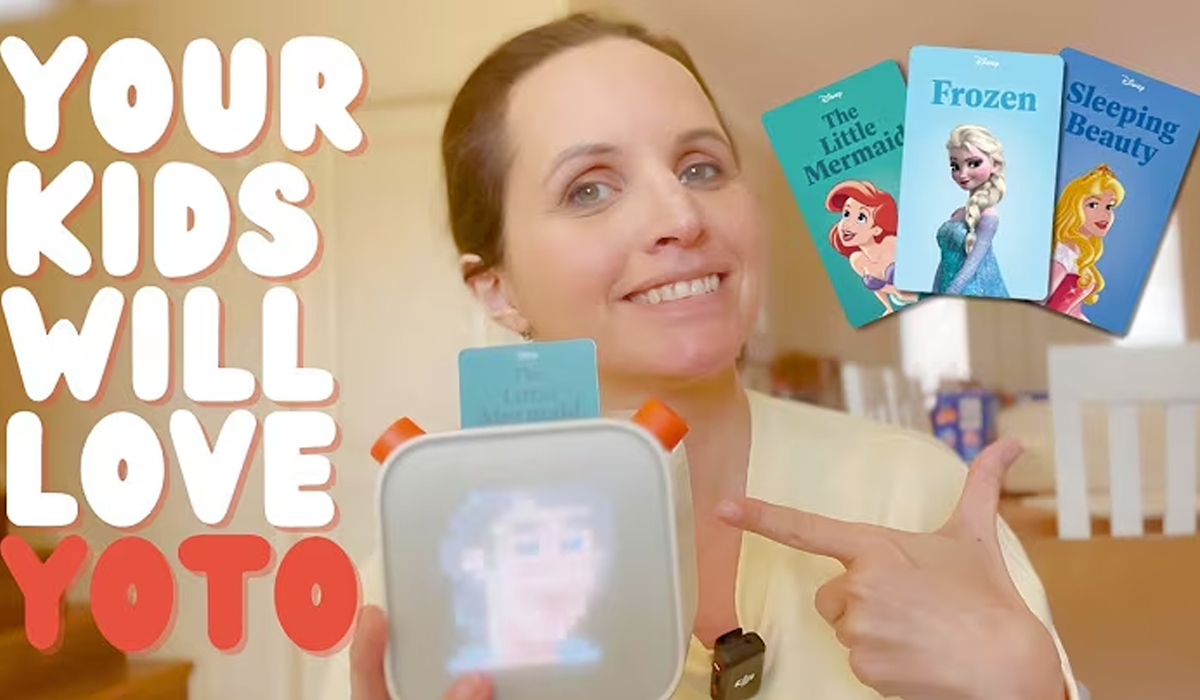
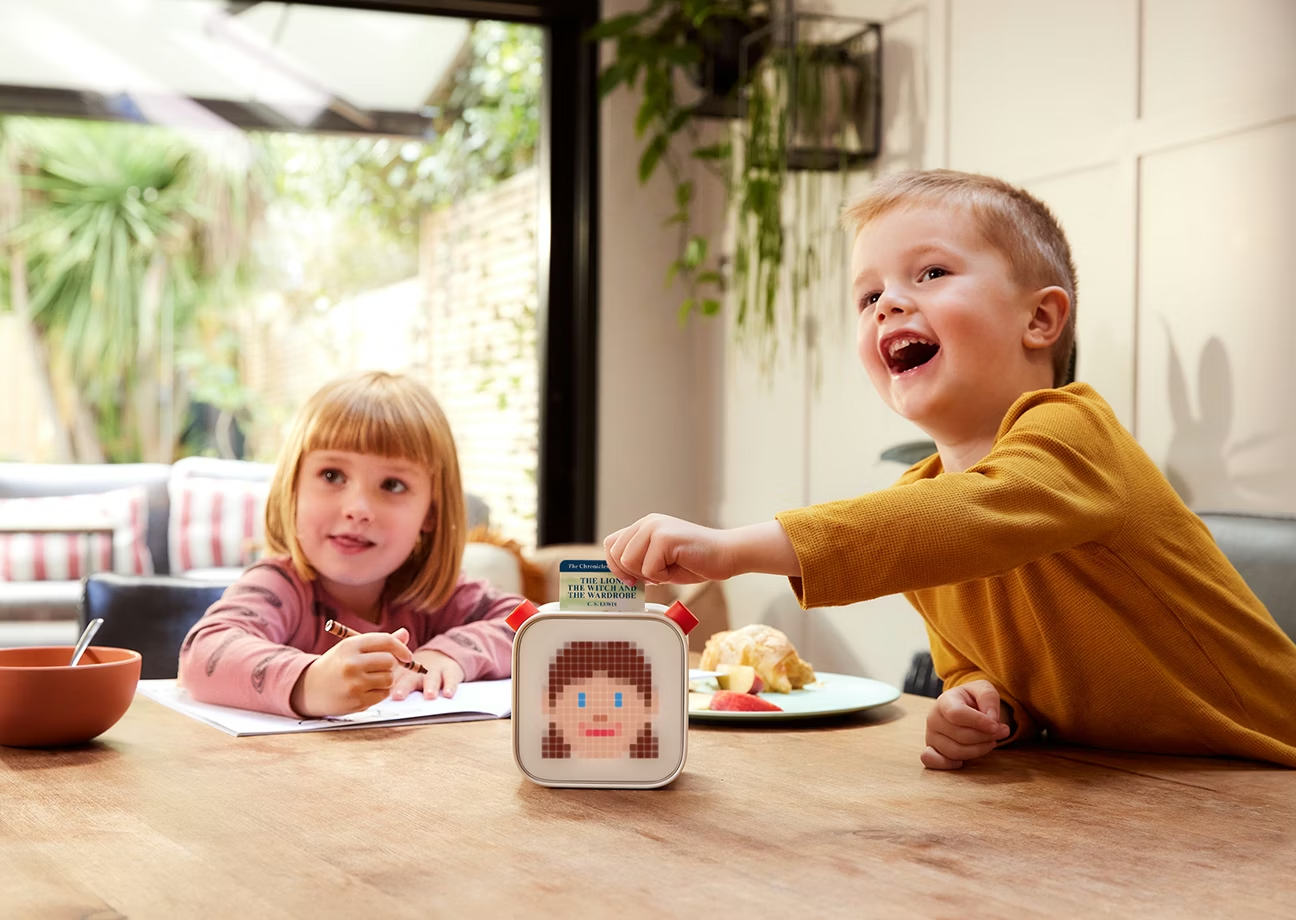
What sets Yoto apart is that it feels more like a platform than a toy. The physical cards are a big part of that. Children can control what they listen to by inserting a card, while parents keep the setup, settings, and content management in the background through the app. That balance is one of the biggest reasons the system feels usable rather than gimmicky.
Yoto is best for families who want something that can become part of daily life. It makes the most sense for children who love stories, repeat listening, and familiar rituals. It makes much less sense for shoppers who just want a low-cost novelty gift or something that gets used once in a while.
Quality & Build / Materials
The biggest strength of Yoto’s design is that it feels intentional. The device does not try to act like a mini tablet, a toy radio, and a smart speaker all at once. It has a very specific purpose, and the hardware supports that purpose well.
The larger Yoto Player is designed to function as a more permanent home device. It is the better option for bedrooms, bedtime use, and family spaces where audio may run for longer stretches. The smaller Yoto Mini is the more portable option and makes more sense in cars, airplanes, and day-to-day travel.
What also stands out is the surrounding hardware ecosystem. Protective jackets, card storage, travel cases, wired and wireless headphone options, and app-linked offline listening all make the platform feel built for actual family use instead of showroom appeal.
Key Features:
The best features are not flashy, but they are useful:
- Card-based listening that children can control themselves
- Offline storage for downloaded listening
- Bluetooth support on current players
- Ok-to-wake functions and bedroom-friendly routines
- No camera, no microphone, and no ads
- App controls for parents without requiring kids to use the app
- A library that stretches from early-childhood content into older-kid interests
- Make Your Own functionality for families who want custom audio
The biggest differentiator is probably still the physical media model. Cards feel simple and intuitive for children, but they also create structure. Instead of endless browsing, the child chooses from a finite set of familiar options. For many parents, that is exactly the point.
Performance / Real-World Use
Yoto performs best when it becomes part of everyday rhythm rather than occasional entertainment. It is strongest in homes where kids listen repeatedly, where certain stories or audio cards become part of routines, and where parents want an audio option that feels calmer than screens.
The player also becomes more useful once a child starts building real familiarity with a set of cards. That is when Yoto stops feeling like a product demo and starts feeling like a personal library. Some children will use it mainly for stories, some for music, some for bedtime audio, and others for a mix of all three.
This is also why content choice matters so much. A device with only a couple of cards may feel underwhelming. A device with a well-chosen mix of stories, educational material, and personalized or repeat-friendly content feels much more valuable.
Ease of Use
Yoto is easy in the right way. It is not trying to impress adults with endless settings or kids with endless stimulation. It is trying to let children operate it quickly without confusion.
That makes it especially good for younger listeners and for routines where independence matters. Insert a card, use the buttons, adjust the volume, and keep going. There is very little friction once the initial setup is done.
Parents still have responsibilities in the background, especially for setup, content linking, and general account management. But the day-to-day experience is clearly designed so the child does not need a touchscreen or adult supervision every time they want to listen.
Maintenance / Care
Maintenance is fairly manageable, but long-term use does bring a few considerations.
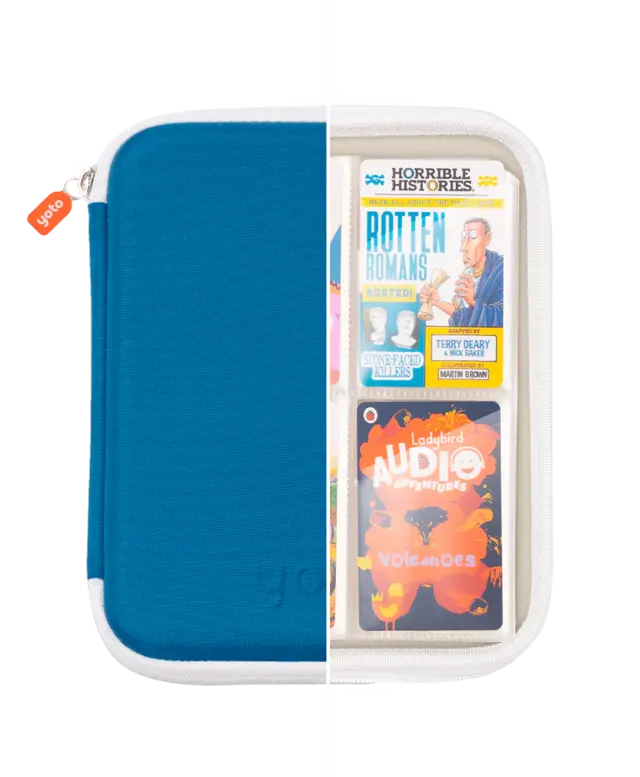
First, organization matters more than people expect. Once a family owns a decent stack of cards, storage becomes part of the experience. That is where products like the Card Case stop feeling optional and start feeling practical.
Second, protection matters more with Yoto Mini. Families who travel with it often will probably want some combination of a case, a jacket, or headphones to make the device easier to carry and less vulnerable to wear.
Third, secondhand shopping requires attention. Older Yoto Mini units are still tied to the battery replacement program, so parents looking for used devices need to be more careful than they might assume.
- Yoto feels calmer and more focused than many children’s tech products
- The card model makes independent use much easier for kids
- The larger player works especially well for home routines
- Card collections give the platform longer life than a one-device toy
- Storage and travel accessories genuinely improve the experience
- The platform scales well if your child’s interests expand over time
- The content library can become expensive surprisingly fast
- The platform makes the most sense only if it gets frequent use
- Organization becomes a real issue once you own lots of cards
- Buying used hardware takes more caution than it should because of the older Mini battery issue
Price & Value
Yoto’s value depends less on the device price alone and more on how much listening your family actually expects to do.
If you are buying it mainly as a gift item and do not plan to build out a card collection, it can feel pricey for what it is. But if you see it as a reusable audio system that can support routines, repeat listening, education, and travel, the value picture improves a lot.
This is also one of those brands where smart purchasing matters. Some products are easier to justify because they solve practical problems, while others make sense only once you are already committed to the ecosystem.
Best-Selling Products from Yoto
- Up to 24 hours of battery life
- Stereo sound, room temperature thermometer, and programmable night light
- Includes a Welcome Card that doubles as a Make Your Own card
- Can be linked to recordings, playlists, podcasts, and more
- Holds up to 100 tracks or 500MB of audio per card
- Cards can be edited and reused repeatedly
- Holds up to 64 Yoto Cards
- Angled pockets make it easier for children to insert and remove cards
- Zippered format keeps the collection tidy and portable
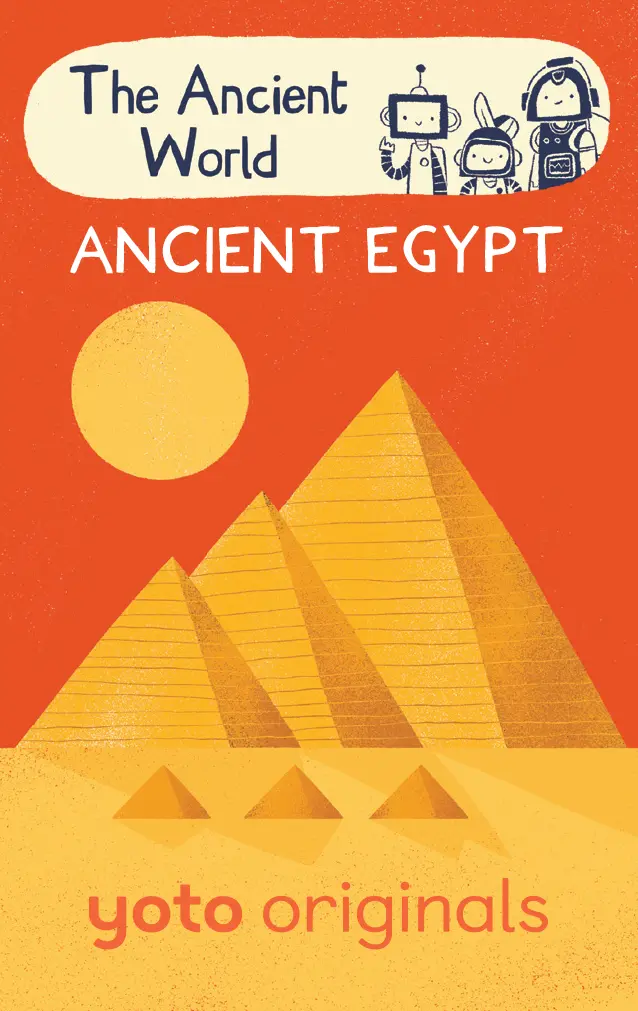
- Covers a wide spread of historical civilizations and eras
- Built around entertaining facts with quiz-style learning at the end
- Offers stronger replay value than many single-story cards
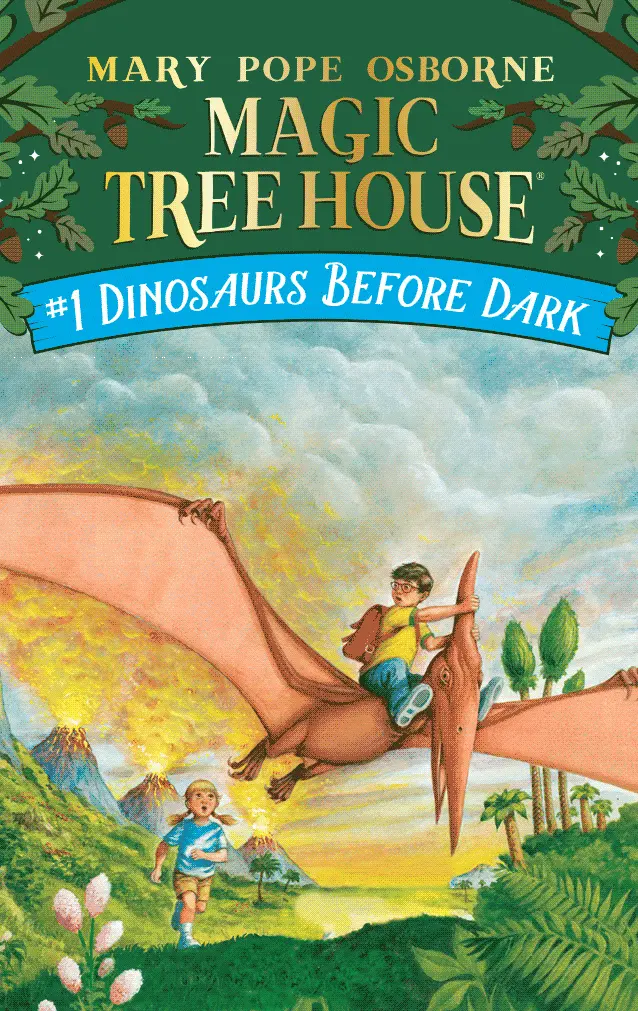
- Includes the first eight Magic Tree House books
- Strong bridge between simple children’s cards and more advanced story listening
- Good replay value for kids who love recurring characters and adventure
What Do Customers Think?
Customer sentiment around Yoto is mostly favorable, but the positive feedback tends to focus on usefulness rather than hype. Families often describe it as something that becomes part of regular life instead of something kids get bored with quickly.
Parents commonly mention bedtime, quiet time, independent use, and travel as the biggest wins. The most satisfied buyers usually seem to be the ones who actively build out a card collection and make Yoto part of routines rather than treating it as a novelty gadget.
Negative comments tend to focus on practical friction: shipping issues, occasional device trouble, cards not reading correctly, or frustration with the cost of growing the library.
Paraphrased customer sentiment examples:
- Some parents say Yoto became a regular part of their child’s day very quickly
- Some families mention that older children continue using it longer than expected
- Several reviewers praise the concept of cards because it helps kids choose independently
- Some buyers say support was helpful when problems came up
- A smaller group reports frustration with reliability or delivery delays
Is Yoto Legit?
Yes. Yoto is a legitimate and well-established children’s audio brand with a full official storefront, published policies, a formal product guarantee, and clearly documented safety information. It does not feel like a trend-driven gadget brand. It feels like a company that expects families to stay in the ecosystem for years.
Is Yoto Worth It?
For many families, yes.
Yoto is worth it if you want a repeat-use, screen-free audio system that can actually become part of daily life. It makes more sense when you want stories, routines, and independent listening to feel structured and consistent, not random.
What to look for before you buy:
- Choose Yoto if you expect frequent listening, not just occasional novelty use
- Think about content first, not just the device
- Consider whether your child would benefit more from stories, educational cards, or custom cards
- Be cautious with used Yoto Minis from older production years
Yoto vs Tonies
Yoto and Tonies still compete for the same families, but they feel very different in practice.
Tonies is more toy-like, more collectible, and often easier to understand instantly for very young children. Yoto feels more like a children’s media platform. It is a little less playful at first glance, but it often offers stronger long-term value for families who want the device to keep growing with the child.
| Category | Yoto | Tonies | Who Wins |
|---|---|---|---|
| Long-term value | Stronger as kids grow into wider content | More early-childhood oriented | Yoto |
| Toy-like appeal | Simpler and less character-driven | Stronger immediate toy appeal | Tonies |
| Content flexibility | Better with custom cards and broader content direction | More collectible-focused | Yoto |
| Younger kids | Good, but less toy-first | Easier for the youngest audience | Tonies |
| Best for | Families who want a listening platform | Families who want a toy-audio hybrid | Depends on shopper |
Discounts and Promotions
Yoto regularly promotes bundle savings, free shipping thresholds, and Club membership benefits. Some products and accessories also appear with sale pricing from time to time, which can make the ecosystem easier to justify if you are buying more than just the device.
Where Can I Buy Yoto?
You can buy Yoto directly from the official site, where the full range of players, cards, accessories, and support information is listed.
FAQs:
Similar Brands You Might Like
- Tonies
- Lunii
- Storypod
- Mighty
- JBL Junior audio players
Final Verdict
Yoto works best when you stop thinking about it as a gadget and start thinking about it as a family audio library. The device itself is good, but the real value comes from how the cards, routines, and accessories fit together over time.
That is also the main catch. Yoto is not the cheapest route into children’s audio, and it only feels fully worth it when it becomes part of regular life. For families who want a calmer, screen-free listening system with real longevity, though, it remains one of the strongest options in the category.